Tips for Creating a Relaxing Home Office Environment
Creating a relaxing home office environment is essential for maintaining focus, reducing stress, and boosting productivity. With many people spending increasing amounts of time working from home, designing a space that feels both comfortable and inspiring can have a positive impact on your daily work routine. Whether you’re setting up a brand new office or refreshing an existing space, the following tips will help you build a calm and enjoyable workspace.
Choose the Right Location
Selecting the right spot for your home office is the foundation of a relaxing environment. Ideally, choose a space with minimal distractions, natural light, and good ventilation. If possible, avoid setting up your office near busy areas like the kitchen or living room, where noise and activity can interrupt your concentration.
Optimize Natural Light and Lighting
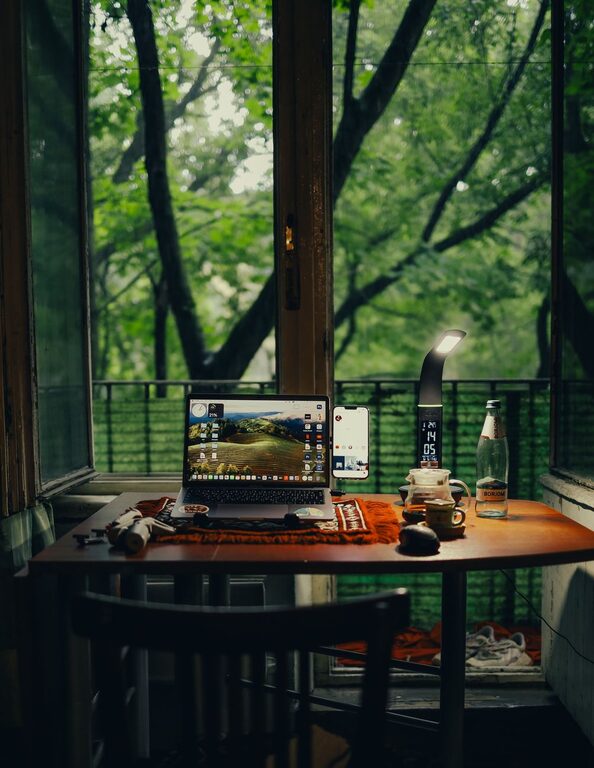
Natural light is known to improve mood and energy levels. Position your desk near a window so you can make the most of daylight. If your room doesn’t have much natural light, supplement it with soft, adjustable lighting options like desk lamps or floor lamps. Avoid harsh overhead lights and try warm-toned bulbs to create a cozy atmosphere.
Incorporate Comfortable and Ergonomic Furniture
A relaxing space supports physical comfort. Invest in an ergonomic chair that provides good back support and encourages good posture. Your desk should be at the right height to prevent strain on your wrists and shoulders. Using a footrest and properly positioning your computer screen can also enhance comfort during long work sessions.
Keep Your Workspace Organized
Clutter can increase stress and reduce productivity. Keep your desk tidy by using organizers, trays, or shelves to store supplies and paperwork. Developing a simple filing system will help you quickly find what you need. Regularly declutter to maintain a clean and inviting space.
Add Personal Touches Wisely
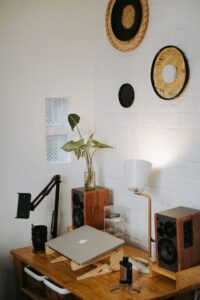
Personalizing your office makes it feel more welcoming and helps create a positive mood. Add a few meaningful items like photos, artwork, or small indoor plants. However, avoid overcrowding your space with too many decorations, which can become distracting or contribute to clutter.
Use Calming Colors
The colors in your workspace influence your emotions. Choose soft, neutral tones or calming shades like blues, greens, or gentle pastels. These colors can help reduce anxiety and improve focus. If you prefer brighter colors, use them as accent pieces rather than the dominant palette.
Incorporate Plants and Natural Elements
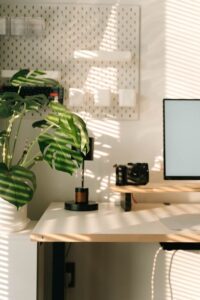
Bringing nature indoors helps reduce stress and improve air quality. Place low-maintenance plants like succulents, pothos, or peace lilies on your desk or nearby shelves. Natural elements, such as wooden decor or stone, can also contribute to a grounding, peaceful environment.
Create Zones for Different Activities
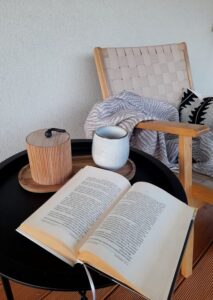
If space allows, designate separate areas within your home office for specific tasks. For example, one spot for computer work, another for reading or brainstorming, and a cozy corner for breaks. This helps your brain associate different spaces with different types of work and relaxation.
Minimize Noise and Distractions
Noise can be a major interruptor of flow. Use noise-canceling headphones or play calming background music or white noise to drown out distractions. If possible, install weather-resistant window treatments or rugs that absorb sound and reduce echoes.
Maintain Good Air Quality and Temperature
A comfortable temperature and fresh air are important for staying alert and feeling relaxed. Keep windows open when weather permits or use an air purifier to improve air quality. Adjust heating or cooling to a level that keeps you comfortable without causing drowsiness or discomfort.
Establish a Routine for Breaks and Stretching
Creating a relaxing home office isn’t just about the physical space—it’s also about how you use it. Schedule regular breaks to stand, stretch, and rest your eyes. This helps reduce physical tension and refresh your mind, making your workday more pleasant and sustainable.
Use Technology Mindfully
Technology can aid productivity but also lead to digital fatigue. Use apps and tools to block distracting websites during work hours. Keep phone notifications off unless necessary, so you remain focused. Organize cables and keep devices clutter-free to maintain a clean visual environment.
Regularly Refresh Your Space
Your home office doesn’t have to stay the same forever. Occasionally update decor, rearrange furniture, or swap out items to keep the space feeling fresh and motivating. A little change can go a long way in maintaining a relaxing environment over time.
—
By thoughtfully designing your home office with relaxation in mind, you can create a space that supports your work and well-being. From lighting to furniture to decor, small changes add up to a big difference in how comfortable and productive you feel each day. Try these tips and enjoy a more peaceful and inspiring place to work.