Tips for Creating a Relaxing Home Office Environment

Creating a relaxing home office environment is essential for maintaining focus, reducing stress, and enjoying your workday. Whether you’re working remotely full-time or occasionally need a peaceful spot to handle tasks, your workspace can greatly affect your mood and productivity. This post covers helpful tips to transform your home office into a calm and inviting area that promotes both relaxation and efficient work.
Why a Relaxing Home Office Matters
A home office is more than just a place to sit with a computer. It’s your personal workspace, where you spend hours each day. If the office feels cluttered or uncomfortable, you can become distracted, anxious, or tired. A relaxing environment helps your mind feel at ease, boosts creativity, and makes it easier to focus.
By designing a space that balances function with comfort, you set yourself up for success and well-being.
1. Choose the Right Location
Selecting the right spot in your home for your office is the first step. Ideally, pick an area that gets some natural light and is away from high-traffic zones. Natural light improves mood and alertness, while a quieter location reduces distractions.
If you can, designate a room or nook solely for work. This separation helps create a mental boundary between work and personal life.
2. Focus on Comfortable, Ergonomic Furniture
Comfort is key when you spend many hours sitting. Invest in a quality office chair that supports your posture and reduces strain. Adjustable chairs and desks can help you find the best position for your body.
An ergonomic setup protects your neck, back, and wrists from discomfort or injury. Don’t forget a desk that fits your work style—whether you need space for multiple monitors, writing, or storage.
3. Optimize Lighting for Comfort and Focus
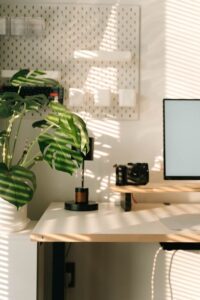
Lighting plays an important role in your productivity and relaxation levels. Position your desk near a window if possible, to take advantage of daylight. To avoid glare on screens, adjust the angle of natural light with curtains or blinds.
Add adjustable task lighting such as a desk lamp with soft, warm light. Avoid harsh overhead lights and excessive brightness as they can cause eye strain and fatigue.
4. Keep Your Workspace Organized and Clutter-Free
Clutter can be mentally overwhelming and distracting. Create a system to organize papers, supplies, and electronics. Use shelves, drawers, or boxes to keep everything tidy and out of sight.
A clean workspace helps your mind feel clear and focused. Try to clear your desk at the end of each day as a simple habit to reduce clutter buildup.
5. Incorporate Soothing Colors and Personal Touches
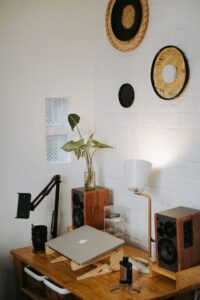
Colors affect mood and energy levels. Soft, neutral tones like light blues, greens, or warm grays tend to be calming and conducive to focus. You can add pops of color with accessories or artwork that you love.
Personal touches such as framed photos, plants, or inspirational quotes make the space inviting and uniquely yours. These elements help you feel more comfortable and connected.
6. Add Plants for Freshness and Calm
Indoor plants bring life and freshness to your workspace. Studies show that plants can reduce stress and increase productivity. Easy-care options like succulents, snake plants, or pothos don’t require much maintenance.
Place a few plants on your desk or nearby shelves to enjoy cleaner air and a bit of natural beauty.
7. Minimize Noise Distractions
Noise can interfere with your concentration and increase stress. If your home is noisy, consider using noise-canceling headphones or playing soft background music or white noise to drown out disruptions.
You might also add rugs, curtains, or wall hangings to help absorb sound and create a quieter atmosphere.
8. Use Technology Wisely
Choose technology that enhances your workflow without causing frustration. Keep cables organized with clips or sleeves to avoid tangles. Set up your computer and accessories so they’re easy to access but not on full display.
Limit distractions by turning off non-essential notifications during focused work sessions.
9. Create a Relaxation Corner
If space allows, add a small area with a comfortable chair or cushion where you can take short breaks, stretch, or meditate. Taking regular breaks away from your desk helps reduce stress and recharge your energy.
Use this spot to step away physically and mentally, even if only for a few minutes.
10. Develop a Routine to Enjoy Your Workspace
Finally, the most important factor is to develop a routine that helps you use your home office as a calming work zone. Start your day with a quick tidying session, open windows for fresh air, or spend a few minutes in your relaxation corner.
Personal rituals signal your brain that it’s time to focus or unwind, improving both productivity and well-being.
—
Final Thoughts
Creating a relaxing home office environment takes some intentional choices and trial, but the benefits are well worth it. By choosing the right location, investing in comfort, managing light and sound, and adding personal touches, your workspace can become a place you genuinely enjoy spending time. This balance of calm and function can lead to better focus, less stress, and more satisfaction with your work-from-home experience.
Try incorporating these tips one step at a time, and see how your home office transforms into a peaceful, inspiring place to get work done.